Uplifting Voices
Human Centered Digital History
Human centered digital history holds tremendous potential for uplifting voices and histories of veterans that might otherwise only exist in stories passed down by surviving extended family or as points of individual data in visualizations.
Mapping, timelines, oral histories with family, and exhibits similar to this can work with existing evidence of their lives to bring veterans' experiences together and introduce them to the public, for whom they served and sacrificed.
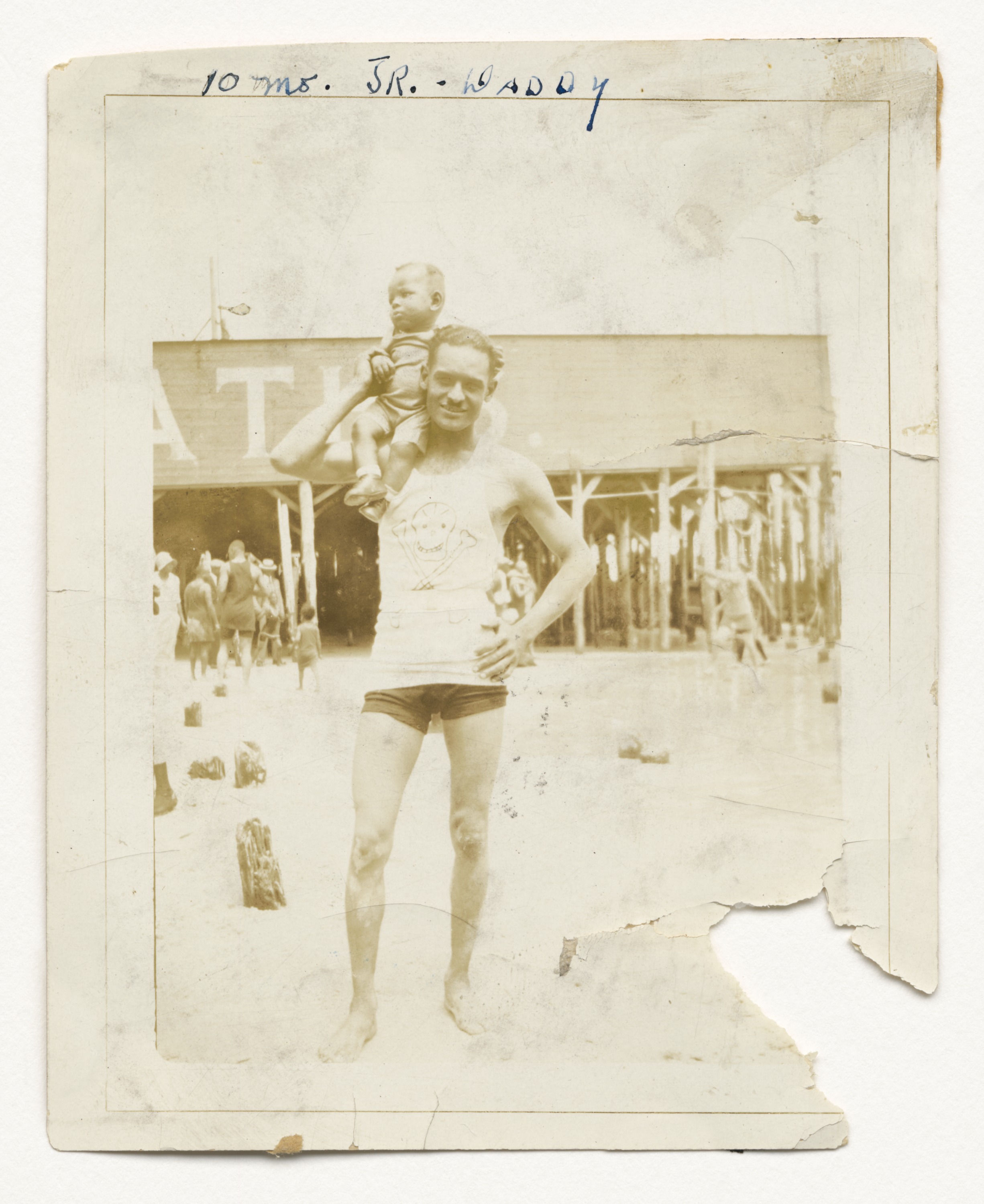
Sometimes this is relatively easy thanks to the efforts of extended family. Corporal Leslie Lawrence McVey Sr., a veteran of the 369th and a Harlem Hellfighter is an excellent example. His granddaughter, Gina R. McVey, generously gifted her grandfather's medals, documents, and photos to the National African American Museum of History and Culture and the Smithsonian.
Thanks to Ms. McVey's gift, American history has greatly benefitted.
Below is a case-study, an example, of how the lives of veterans can be uplifted using the medium of digital history. Although this is an example of a veteran who left a considerable legacy within the world of American art, and therefore well archived, the methods can be readily applied to those with less of an existing archival footprint.
Horace Pippin
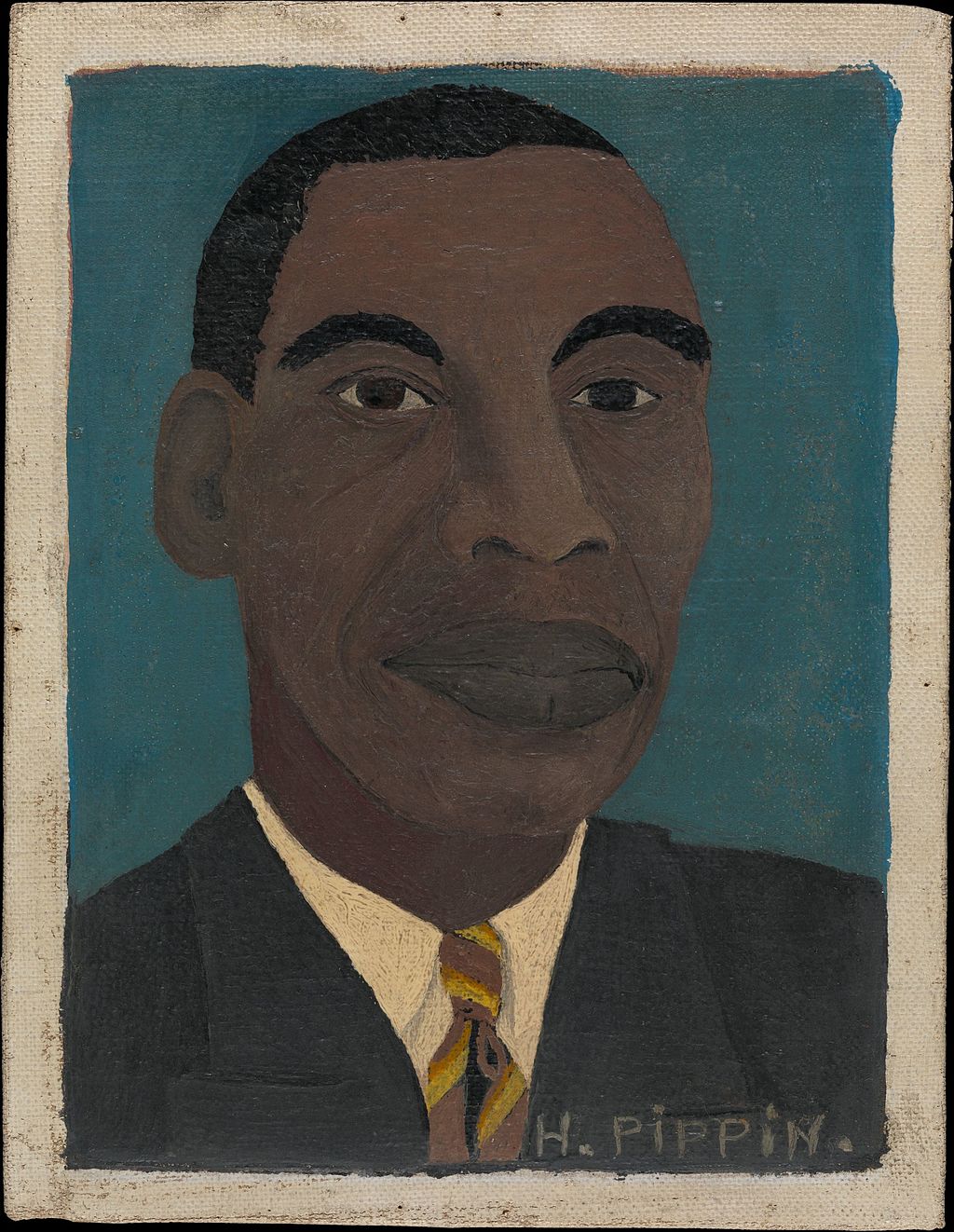
At 10 years old, young Horace Pippin (1888-1946) won a box of crayons in a contest held by his school in Goshen, Pennsylvania. The youngster already had a developed interest in art but, because of the failed promises of reconstruction, Jim Crow laws, and racism in the United States, his family struggled to make ends meet, making such things as art supplies a luxury. His grandparents were born enslaved, his parents were born after the abolishment of slavery but his mother could only find employment as domestic workers, and Pippin contributed by leaving school at 14 to pick up available jobs.
In 1917, Pippin enlisted in the 15th New York National Guard Regiment, which would soon become the infamous 369th regiment of the 93rd Black Rattlers, the Harlem Hellfighters. After training, the 369th and other all Black and soldier-of-color infantry regiments were shipped to France, where they were quickly sent to the forward trenches of the western front.
The 369th served the longest and most brutal tours in these forward trenches where they supported the French war effort against Germany. Pippin and his fellows fought alongside many soldiers pressed into service by their French colonizers, such as Algerians and Senegalese. In his memoir, Pippin would remark with awe the ferocity of the Algerian soldiers, noting how they would frequently go over the top with nothing more than an 8 inch blade in hand and a deadly focus in their eyes. The Algerian soldiers generally got along well with the men of the 369th, but regarded the French soldiers with contempt. Pippin wrote that the Algerian's muttered angrily when the French were near them, saying they were their foes and they had no mercy for foes.
On September 26, 1918 Pippin goes over the top and charges across No Man's Land towards the German trenches. A French soldier in front of him is shot by a German sniper and mortally wounded. As that soldier is falling, Pippin is hit by a sniper in the right arm and along the right side of his body. He endures an agonizing time trapped under the fallen soldier- injured, thirsty, hungry, and alone- until his fellow soldiers are able to rescue him.
Pippin is left with debilitating injuries to his right arm. But, this innate artist could not be stopped, despite lack of support by the U.S. government. After years of recovery, learning to support his right arm with his left, and continuing to create art, Pippin gained national recognition for his art.
Pippin's Memoir
But before Pippin's art adorned the walls of pretigious galleries and museums, he wrote and illustrated an auto-biography, a memoir of his experience during WWI.
Explore Pippin's memoir in the carousel below and see the geography of his experiences in the map underneath the images. Consider how mapping the literal or conceptual places - whether it is information found on an enlistment card, the words of a memoir, photos, or even stories told by surviving family members- adds a different dimension to the history of a veteran's experiences during and after the war.
As you click through the map, keep in mind that the next step in this project is the remediation of the transcript of Pippin's memoir. Currently, the excerpts reflect the Smithsonian transcript created by citizen historians.
Additionally, keep in mind that intentional choices were made in geographically tagging the places of his memoir. The places mentioned by Pippin were cross-referenced with existing information about where the 369th served and which battles they were a part of. Trench maps were used to help with this process. The locations are not perfect, but they are an informed estimate. For locations that were exceptionally hard to guesstimate, the geographic marker is placed "on" a WWI memorial in that town or, in the case of the Algerian geographic marker, on a memorial for liberation. This is purposeful.


Spatial View of Horace Pippin's Combat Service
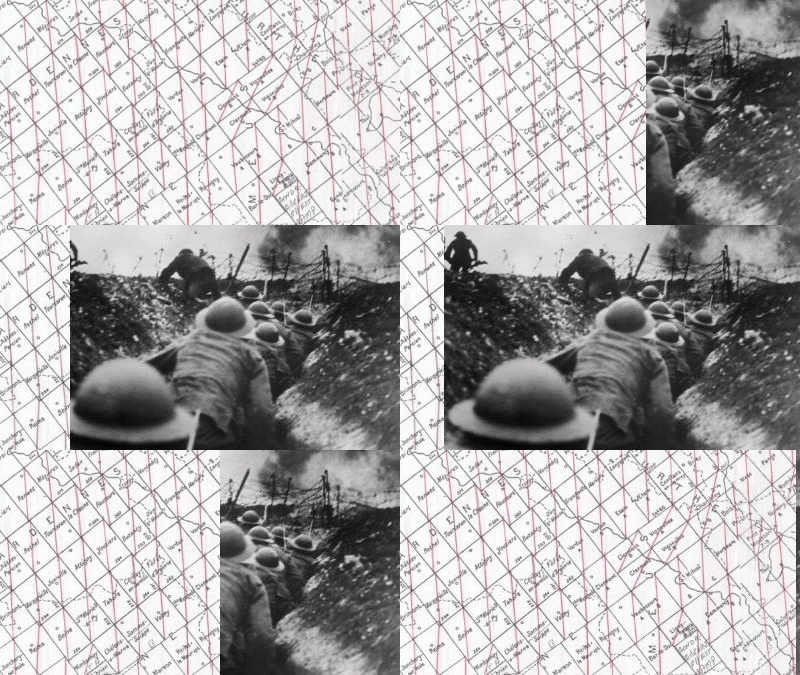
Trench maps helped geographically locate the battles and experiences in Pippin's memoir. But the reality of trench warfare is far grittier than the neat lines on the map. The Harlem Hellfighters and the soldiers pressed into service by their French colonizers, spent the longest tours in the forward trenches.
French Trench Map courtesy of the Library of Congress.
Trenches of Somme photo courtesy of the French Archives via France Bleu Vaucluse